
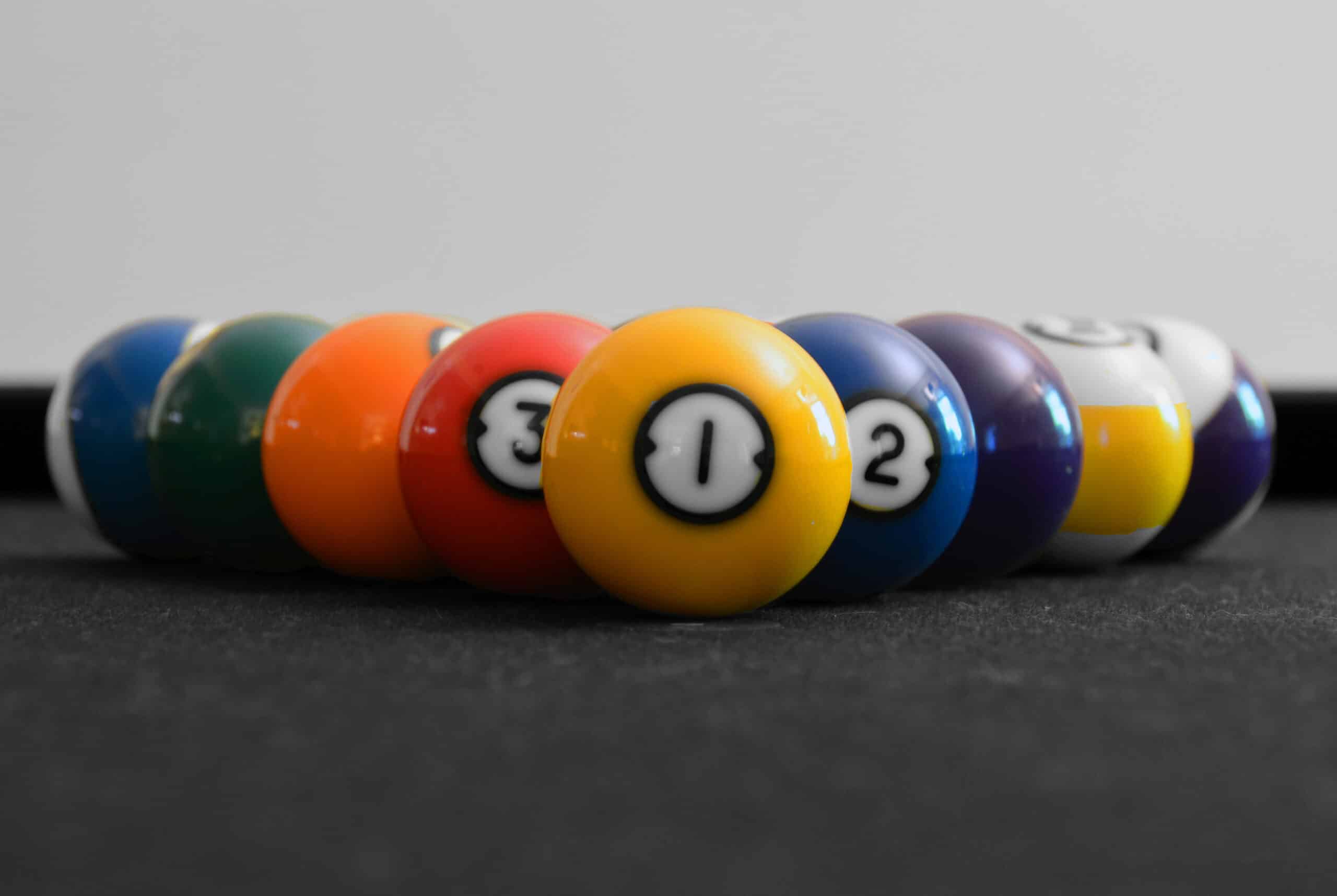
Setting up pool balls correctly helps create a fair game, better practice sessions, and more enjoyable play. Whether you are a casual player practicing at home or a tournament player preparing for competition, understanding different setups can improve your strategy and control.
Most players know the standard 8-ball and 9-ball layouts. However, several other arrangements and practice drills can help improve your skills.
This guide explains the most common ways to set up pool balls. It also covers how speed cloth, pool table maintenance, and professional products help maintain a high-quality playing surface.
Understanding the Basics of Pool Ball Setup
Pool combines accuracy, strategy, and skill. While many players focus on improving their shots, proper ball setup plays an equally important role.
Learning how to arrange pool balls correctly creates a fair game and improves consistency. Whether you are a beginner or an experienced player, the way you rack the balls can influence the entire game.
At its simplest, pool uses a cue ball and a group of object balls. The setup depends on the game being played.
For example, 8-ball uses 15 object balls arranged in a triangle. The 8-ball sits in the center, while a solid and striped ball occupy the back corners. Straight pool, also called 14.1 continuous, uses a full triangle rack but follows different gameplay rules.
The cue ball placement also matters. Players typically place it behind the head string before the break. This position allows a clear view of the rack and helps create a controlled opening shot.
A tight rack is another important factor. When the balls sit closely together, the break becomes more predictable. A loose rack can create inconsistent spreads and affect gameplay.
Most players use a triangle or diamond rack to maintain proper alignment. They also press the balls together firmly while placing the apex ball on the foot spot.
Ultimately, understanding pool ball setup involves more than arranging balls. It also requires knowing how different layouts affect strategy, break control, and shot selection.
Standard 8-Ball Setup
8-ball remains one of the most popular pool games. Players arrange 15 object balls in a triangle formation.
The 8-ball sits in the center, with one solid ball and one striped ball placed in the back corners. Players arrange the remaining balls randomly while keeping the rack tight.
A high-quality speed cloth improves break performance by allowing the balls to move smoothly and spread evenly. In addition, clean and well-maintained tables provide more predictable ball movement during practice and competition.
9-Ball Setup
9-ball is a fast-paced pool game that uses nine numbered balls. Players arrange the balls in a diamond rack, with the 1-ball at the front and the 9-ball in the center.
The remaining balls can sit in any order. However, the rack must remain tight for a consistent break.
Players must contact the lowest-numbered ball first on every shot. They can still pocket balls in any order after making legal contact.
Because speed cloth allows balls to travel farther, players must develop strong cue ball control. Regular pool table maintenance also helps keep the surface level and the ball response consistent.
Straight Pool or 14.1 Continuous Setup
Straight pool focuses on accuracy, consistency, and position play. Unlike 8-ball and 9-ball, players can target any object ball on the table.
Players arrange the balls in a triangle at the foot of the table. The apex ball sits on the foot spot, while the remaining balls fill the rack.
A tight triangle creates better break control and more predictable gameplay. Additionally, regular brushing and leveling help maintain professional playing conditions.
One-Pocket and Bank Pool Arrangements
One-pocket and bank pool both use a 15-ball triangle rack. However, these games require more strategy than simply pocketing balls.
In one-pocket, each player chooses one pocket and focuses on offensive and defensive positioning. In bank pool, players must bank balls into pockets rather than making direct shots.
A quality speed cloth improves ball movement and consistency. Furthermore, proper maintenance keeps cushions responsive and the cloth performing at its best.
Trick Shot and Advanced Practice Setups
Trick shots and advanced drills help players develop creativity, accuracy, and cue ball control.
These practice routines allow players to improve skills such as jump shots, bank shots, and precise positioning. By creating different patterns, players can challenge themselves and learn difficult angles.
The diamond pattern is a popular advanced drill. It helps players practice bank shots, jump shots, and cue ball positioning.
Another useful drill is the split rack. Players separate balls into two or three groups across the table. This setup creates realistic game situations and improves offensive and defensive control.
For long-distance accuracy, rack-to-rack drills work well. Players place balls along the length of the table and practice controlling speed, spin, and direction.
Combining Setup With Strategy
Different pool layouts help players develop different skills.
For example, broken-rack drills in 8-ball improve shot planning. Meanwhile, 9-ball drills improve accuracy and cue ball positioning.
Trick shot layouts also strengthen bank shot ability and precision. Regular speed cloth replacement and routine maintenance help create realistic playing conditions for practice.
Conclusion
Correctly setting up pool balls improves strategy, practice, and enjoyment. From classic 8-ball and 9-ball layouts to straight pool, one-pocket, bank pool, and advanced drills, each setup develops different skills.
The right speed cloth improves ball control and consistency. In addition, regular pool table maintenance helps preserve performance and accuracy.
Explore more at Muellers.com and elevate your game with billiard equipment designed to perform.