
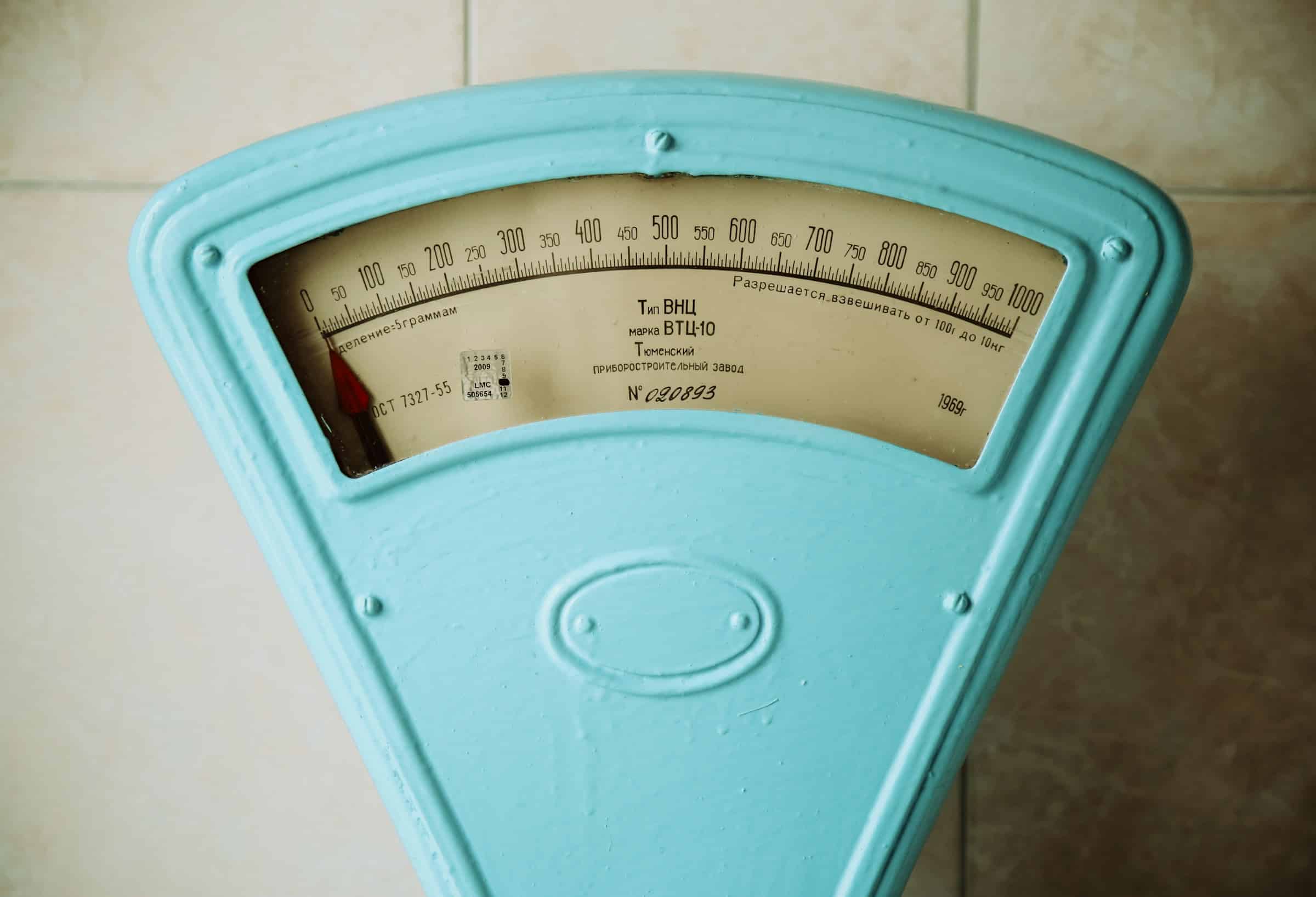
From slate beds to wooden frames, pool tables vary greatly in weight depending on the materials and table size.
In this post, we’ll cover the average weight of pool tables, what affects that weight, and why it matters. We’ll also touch on maintenance, cloth selection, and where to purchase accessories.
Factors Influencing Pool Table Weight
Several factors determine how much a pool table weighs. Understanding them is useful for buyers, movers, and players alike.
The biggest factor is the playing surface material. High-quality tables use slate because it provides a smooth, flat, and consistent playing surface. However, slate is extremely dense, making slate pool tables much heavier than models built with MDF or other synthetic materials. A one-piece slate bed can weigh several hundred pounds, while three-piece slate designs are easier to move but still add significant weight.
Another important factor is table size. Smaller 6-foot and 7-foot tables are lighter, typically weighing between 300 and 800 pounds, depending on construction. Standard 8-foot tables usually weigh 700 to 1,000 pounds, while professional 9-foot models can exceed 1,200 pounds. Specialty tables, such as 12-foot snooker or large carom tables, often weigh more than 2,000 pounds.
The frame and cabinetry also contribute to the total weight. Solid hardwood frames and heavy-duty legs weigh more than MDF or engineered wood, but they also provide greater durability and stability. Decorative legs and premium cabinetry can add additional weight as well.
Accessories and add-ons have a smaller impact. Thick cushions, heavy-duty rails, and metal trim can all increase the overall weight. Ultimately, the combination of size, materials, and construction determines how much a pool table weighs.
Average Weights by Table Size
Pool tables come in several standard sizes, and their weight generally increases with size.
- 6-foot pool table: 300–500 pounds
- 7-foot pool table: 500–800 pounds
- 8-foot pool table: 700–1,000 pounds
- 9-foot pool table: 900–1,200+ pounds
Specialty tables, including 10-foot and 12-foot snooker tables, can weigh 1,500 to more than 2,500 pounds. By comparison, smaller recreational tables made without slate may weigh under 200 pounds, though they typically don’t offer the same durability or consistent gameplay.
When choosing a table, consider not only your room size but also your home’s floor load capacity.
Moving and Installation Concerns
Because of their size and weight, pool tables are difficult to move. A slate pool table should never be transported fully assembled, as the slate can crack under stress.
Professional movers typically disassemble the table by removing the cloth and rails, separating the slate into sections, and reassembling everything at the new location. Although this adds labor costs, it’s the safest way to protect the table.
Installation also requires careful planning. A heavy slate table placed on a weak floor can eventually create structural concerns. Before installation, it’s a good idea to consult a local dealer or installer if you have questions about your flooring. Homeowners should also measure stairways, hallways, and doorways to ensure the slate sections can be moved safely into the room.
Why Weight Matters in Gameplay
The weight of a pool table directly affects gameplay.
Heavier slate tables provide a stable, level playing surface that allows balls to roll more consistently. Lighter tables made from MDF or composite materials can shift during play or gradually become uneven over time, leading to less accurate shots.
The weight of the slate also helps keep the cloth tight and the playing surface stable. In addition, heavier tables are less likely to move when players lean on them during a shot.
For serious players, slate tables remain the preferred choice despite their weight. Recreational players may prefer lighter models if portability and budget are priorities, though these tables often require more frequent leveling and maintenance.
Maintenance and Longevity
Since moving and installing a pool table requires significant effort, proper maintenance is essential for protecting your investment.
Routine care includes brushing the cloth regularly, checking that the table remains level, and tightening loose rails. Pool table brushes, cleaners, and protective covers can help extend the life of the playing surface.
As homes settle over time, even heavy slate tables may need occasional re-leveling. Keeping the weight evenly distributed across all legs is more important than the overall weight itself.
Many local dealers also offer professional services such as re-clothing, slate leveling, and structural repairs. Regular maintenance helps prevent expensive repairs and keeps your table playing its best.
Specialty Tables and Their Weights
Beyond standard pool tables, specialty tables such as snooker and carom tables are even heavier.
A 10-foot snooker table may weigh around 1,500 pounds, while a professional 12-foot snooker table can exceed 2,500 pounds. Carom tables, which have no pockets and larger playing surfaces, are similarly heavy.
These tables often require reinforced flooring, professional delivery, and expert installation. Owners typically purchase specialized snooker or carom cloth designed for these larger playing surfaces.
Because of their size and weight, specialty tables almost always require professional assembly and ongoing maintenance.
Conclusion
So, what is the weight of a pool table? The answer depends on its size, materials, and intended use. Recreational tables may weigh as little as 200 pounds, while professional snooker tables can weigh well over a ton.
Understanding a pool table’s weight helps you plan for installation, transportation, maintenance, and overall playing performance.
Explore more at Muellers.com and elevate your game with billiard equipment designed to perform.