
How To Move A Pool Table The EASY Way!
In this post, we’ll not just cover how to move a pool table the easy way step-by-step, but also some obscure details that most take for granted, including a healthy dust-on-pool-table-cloth debate on why speed cloth is used, and plug you into the best pool table cloth and accessories by top sellers. By the time you finish reading this, you’ll not only know how to move your pool table, but also how you can set it up again to make it feel brand-new.
Why Moving a Pool Table Feels So Complicated
Pool tables are a testament to engineering and design. A typical pool table can weigh between 650 pounds and more than 1,000 pounds, depending on the size and whether it has a two-piece or one-piece slate bed. That weight, along with the size itself, and the delicate bits like pockets and felt, make pool tables difficult to move.
Trying to push or drag a pool table — in one piece — across a room or into a pick-up truck is a how-to guide to disaster. You run the risk of breaking the legs, tearing the felt, cracking the slate, or maybe even hurting yourself. The “easy way” to move a pool table isn’t about strength — it’s about strategy, and the correct disassembly and reassembly.
Step-By-Step: How to Move a Pool Table the Easy Way
Transporting a pool table might be intimidating, but it’s achievable if you have the right tools, preparation, and careful execution. Pool tables are heavy, bulky, and all too frequently constructed with fragile components that demand special handling. Rather than struggling or potentially causing damage, use this step-by-step guide to help you get through the task a little bit easier.
Step 1: Collect the Tools You’ll Need
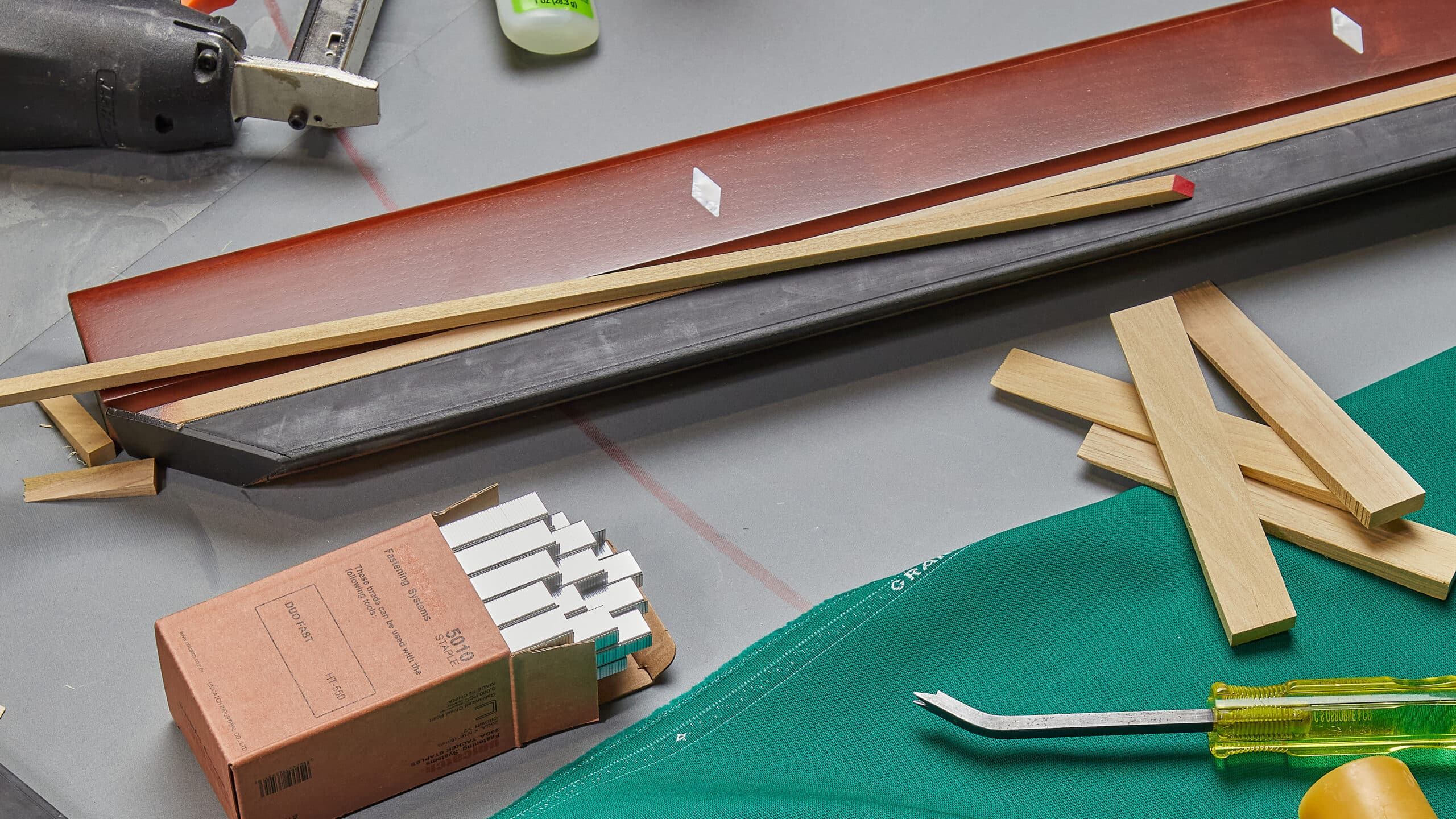
Before you start, gather all the tools you’ll require. A power drill or drill bit set, a socket set, heavy moving dollies, moving blankets, straps, work gloves, and a staple remover are also necessary. Not having to scour the entire house to track down each tool or supply would save time and prevent frustration. Pool tables aren’t the type of furniture you can just drag across the floor, so the right tools go a long way here.
Step 2: Extract the pockets
Begin the dismantling with the pockets. They are usually stapled or nailed, but also bonded. If they’re stapled, use a staple puller to gently pull them down; do not tear the cloth. Put the pockets to one side and keep any hardware in a bag or container marked up so that nothing gets lost. At this point in the process, staying organized during disassembly will simplify reassembly considerably.
Step 3: Remove the Rails
Next, unscrew the rails with your socket wrench or screwdriver. Rails tend to be heavy and unwieldy, and they are easier to handle with two people. Bundle them after removal, or wrap them in moving blankets to prevent them from scratching or denting. Place all screws and bolts in a bag and label it clearly.
Step 4: Take off the Felt or Cloth
One of the toughest components of this job is dealing with the felt barrier. If you are going to use it again, use your staple puller to gently remove the staples and take care not to tear. If you want to replace the felt, this is a great time to do so—lots of people consider moving an excellent excuse to get a new table with new cloth. In any case, fold or roll the fabric properly and put it aside.
Step 5: Treat the Slate with Care
The slate bed is the largest, heaviest, and most delicate component of a pool table. It may be one solid piece or it may be divided into three parts, depending on your model. They are all heavy and some may be hundreds of pounds, so get at least two or three friends to help you with this part. Clearly label each piece to make reassembling easier and cover them with thick moving blankets. Be patient - a dropped slate can cause cracks or chips that are hard to hide.
Step 6: Separate Body and Legs
When the slate is off, the rest of the table is fairly straightforward to disassemble. Separate the frame and legs, stacking them carefully. These parts are still big, but a lot lighter than slate. Wrap the entire parts in blankets to keep them away from scratches when in transit.
Step 7: Move Reassembled
All parts are safely wrapped; carefully place them on dollies or into a moving truck. When you get to the new place, you just do the process in reverse. Now, from the frame and legs up, reinstall the slate, reapply or replace the felt, reattach the rails, and finally secure the pockets.
Additional Tip: Upgrade While You’re At It
It’ also an excellent time on moving day to upgrade. Think about getting new pockets, putting in fresh felt, or purchasing superior accessories. There’s something about a newly assembled pool table that not only looks good, but plays better.
With this simple pre-planning, step-by-step instructions on how to disassemble and reassemble your pool table, you’ll be able to move it with ease and without anything breaking or getting lost.
Mistakes to Avoid When Moving a Pool Table
Some common mistakes can derail an otherwise smooth move:
-
- Trying to move the table without disassembly.
-
- Failing to label parts and hardware, which complicates reassembly.
-
- Neglecting to carefully level the slate when reinstalling.
-
- Attempting to reuse stretched or damaged cloth.
Avoiding these pitfalls ensures both your table’s safety and the quality of gameplay once reassembled.
The process of moving a pool table is commonly considered difficult and nerve-wracking, but with the right attitude, it can be just about anything other than that. Instead of just concentrating on the logistics of moving, use it as an opportunity to start fresh with your entire play setup. Working in this organized fashion not only reduces the chances of breakage but also makes the process of reassembly easier and quicker.
Anyhow, there is disassembly involved in a move, so a move makes a great excuse to really inspect your table. Now’s the time to replace old, worn cloth, bring cushions back to life, or even treat yourself to a few new toys. These minor enhancements can have a huge impact on the quality of your matches and the appearance of your room.
Instead of thinking of the move as a pain, think of it as an opportunity to refresh. When the table is reset, it won’t just be in a different place – it will be reenergized, reengineered, and ready to serve up even more fun. With a holistic approach to moving, you’re not just playing house with your belongings: you’re elevating and enjoying your playing experience – turning a chore into a treat.
Conclusion
Relocating a pool table is daunting, but by taking the right approach, it can be done. The real “easy way” is to simplify the process into: Disassemble carefully, Transport securely, Reassemble thoughtfully. And at the same time, can’t you just treat yourself to a high-end cloth and accessories that will change the way your table plays and looks.
A pool table is nothing like a regular piece of furniture — it’s at the center of entertaining, competing, and enjoying. When you purchase quality products from honest sellers and consider the move a holistic one rather than just a task, you save your table and improve each game to come. Don’t be scared the next time you’ve got to move a pool table. See it as your opportunity to build the game room you’ve always dreamed of!
Explore more at Muellers.com and elevate your game with billiard equipment designed to perform.